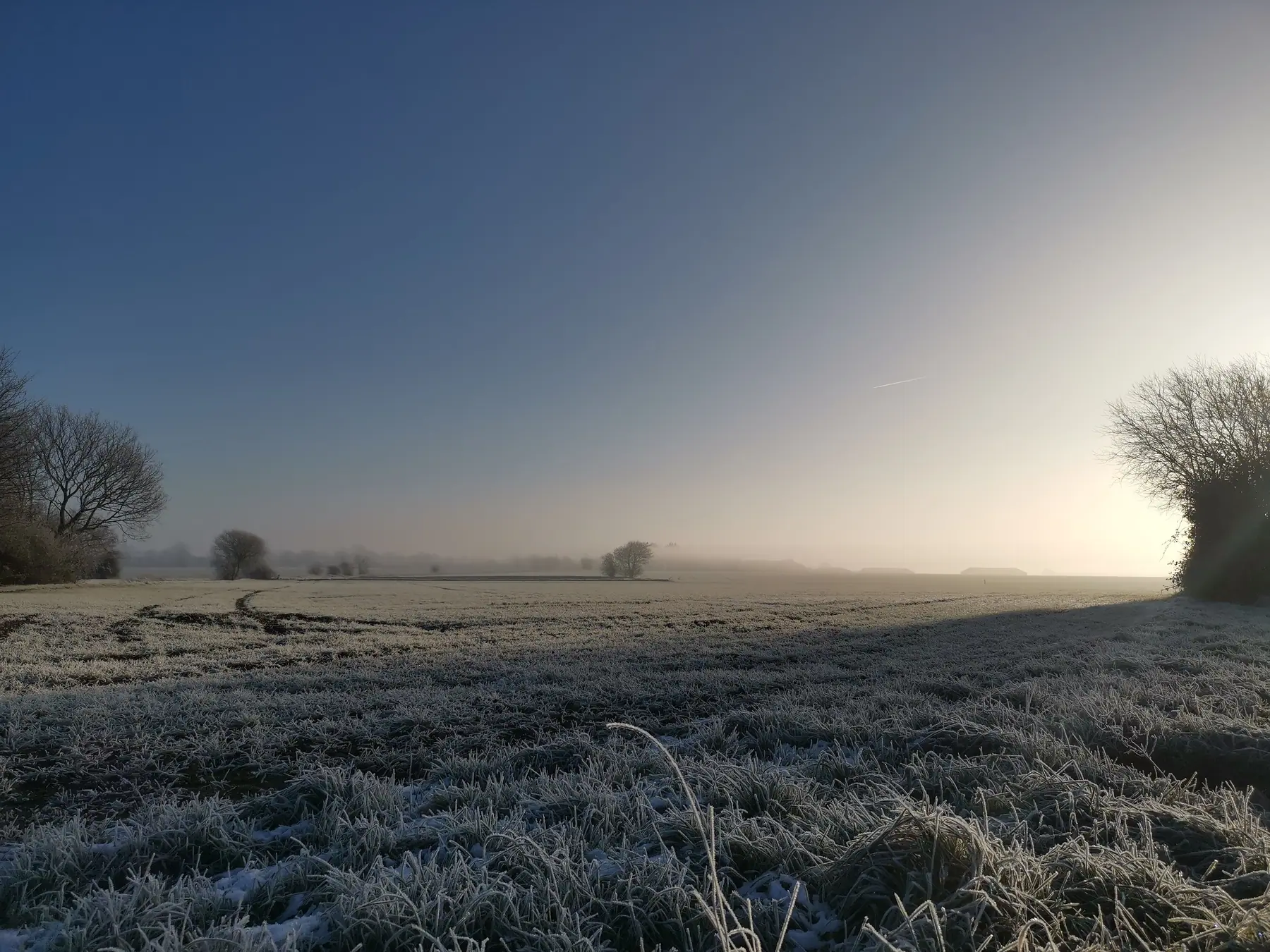
A winter sauna is sauna at its best. When it's cold outside, the heat feels even more welcome, and cooling off is as easy as stepping out into the fresh air. It's also one of the nicest ways to spend a dark afternoon, on your own or with friends.
Sauna comes from Finland, where winters are long and dark, and a hot wooden room is part of everyday life. More and more of us in the UK are finding the same thing. When the days are short and the air is sharp, an hour in the heat becomes something to look forward to all week.
Why is winter the best time for a sauna?
Winter is the best time for a sauna because the cold outside makes the heat inside feel so much better. You open the door from a grey, chilly day into a room of dry warmth that smells of hot wood, and your shoulders drop almost straight away.
Most traditional saunas run between 70°C and 100°C. The heat comes from the kiuas, the sauna stove, which is piled with stones. When water is ladled onto the stones, you hear a hiss, then feel a soft wave of heat roll over you. That's löyly, the Finnish word for the steam that rises off the stones. In winter, with frost on the ground outside, it feels especially good.
The best bit is stepping outside
In summer, cooling down can take a while. In winter, you open the door and the cold does it for you. Steam rises off your skin in the cold air and the ground feels crisp under your feet. Then it's back into the warmth for another round.
It's a sociable way to spend a dark evening
Winter evenings can feel long. A sauna session gives you somewhere warm to spend one, with time to catch up with friends or simply sit quietly in the heat.
How do you cool off after a sauna in winter?
The simplest way to cool off after a sauna in winter is to step outside, sit down and breathe the cold air for a few minutes. You don't need to plunge into anything. Some saunas also have a cold shower or a plunge pool, and a few sit right next to the sea or a lake.
If you fancy a cold dip, take it gently. The RNLI advises against jumping straight in, because that raises the risk of cold water shock, and suggests letting your breathing settle before you swim. Go in slowly, keep it short, never swim alone, and follow the sauna's own safety guidance. For the sea, lakes and rivers, follow the RNLI's cold water safety advice.
In Finland, people sometimes cut a hole in a frozen lake to dip between rounds. It's called avanto, the Finnish word for "ice hole". You're unlikely to need an axe in Britain, but the idea is the same: heat, cool, rest, then back into the warmth.
What should you bring to a winter sauna?
For a winter sauna, it's worth bringing everything you'd usually take, plus warm layers for afterwards. Getting dressed in the cold with damp skin is the one part nobody enjoys, so it pays to plan it.
- A swimsuit or swimming costume, unless the session says otherwise.
- Two towels. One to sit on in the sauna, one to dry off.
- A warm robe or changing robe to throw on between rounds.
- Sliders or flip-flops for cold, wet paths between the sauna and the plunge.
- A woolly hat for after. Some people also wear a felt sauna hat inside.
- A bottle of water, and a flask of something hot for the drive home.
- Loose, cosy clothes that are easy to pull on.
If you're not sure what's right, First Time Sauna: What to Expect, What to Bring, What to Do covers the basics.
Is it safe to use a sauna in cold weather?
Cold weather doesn't change the sauna itself, which is just as hot inside whatever the temperature outside. What changes is everything around it: icy paths, colder water and getting dressed in the cold. Take it at your own pace, and leave the sauna whenever you feel ready.
A few simple habits help in winter:
- Drink water before and after your session.
- Warm up gently after any cold dip, rather than rushing straight back into the hottest seat.
- Keep an eye on icy paths and steps between the sauna and the cold water.
A quick safety note: If you have a medical condition, or you're pregnant, check with your GP before using a sauna or cold water. If you feel dizzy or unwell, leave the sauna straight away.
How do you find a winter sauna near you?
The easiest way to find a winter sauna near you is to search Saunista, see what's in your area, then click through to the sauna's own website to book with the host directly. You can see where each sauna is and pick a setting that suits you, whether that's by the coast, near a lake or in a forest.
Our tip: plan around the light
In December, the sun sets before 4pm in much of the UK, and earlier the further north you go. If you want to see the view, an early afternoon session is the one to go for. If you'd rather sit by candlelight with the stars coming out, go later.
When you're choosing, it's worth checking two things on the host's website. First, their winter opening times, as these can change with the seasons. Second, whether there's somewhere warm or sheltered to change, which helps a lot on a cold day.
It's worth booking a few days ahead, especially for weekends.
Frequently asked questions
Can you use an outdoor sauna in winter?
Yes. The stove heats the room whatever the weather, so an outdoor sauna can be used all year round.
Do you have to do a cold plunge?
No. A cold plunge is completely optional. Stepping outside and sitting in the cold air works well, especially if you're new to sauna.
How long should you stay in a sauna in winter?
The same as any other time of year. Most stays last 5 to 20 minutes per round, depending on the heat and how you feel. Start at the shorter end if it's your first time.
What should you wear to a sauna in winter?
Wear what you'd usually wear in the sauna, often a swimsuit. Bring warm layers, a robe and something for your feet, for between rounds and afterwards.
Find your winter sauna
The colder it gets, the better a sauna feels. Search Saunista to find a sauna near you, then book a time on the host's own website. Find a sauna.